Koriandri: Exploring Its Culinary, Medicinal, and Health Benefits Across the Globe
Koriandri, also known as coriander or cilantro, is an herb that has transcended cultural and geographical boundaries. It is one of the oldest and most widely used herbs in the world, prized for its unique flavor profile and numerous health benefits. This article delves into the various aspects of koriandri, from its history and uses to its health benefits and cultural significance.
What is Koriandri?
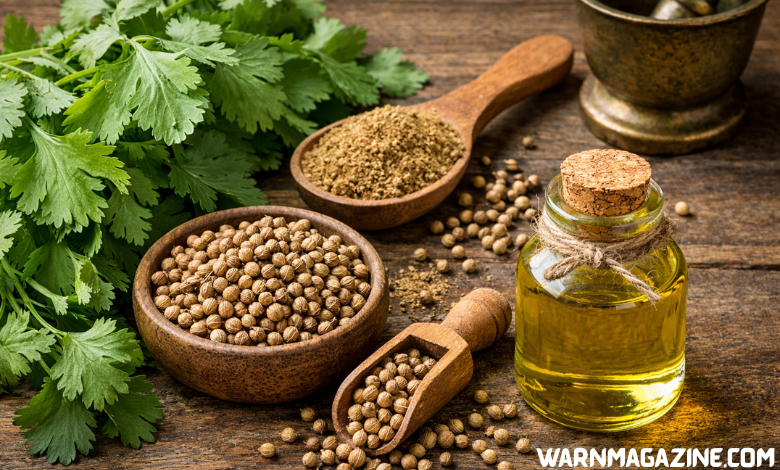
Koriandri (scientifically known as Coriandrum sativum) belongs to the Apiaceae family, which includes other well-known plants such as parsley, dill, and carrots. The plant grows as an annual herb, completing its growth cycle within a single season. Koriandri is versatile in its use, with its leaves referred to as cilantro in many countries and its seeds known as coriander. Both the leaves and seeds contribute distinct flavors to dishes, making the herb a valuable addition to cuisines around the world.
The leaves of koriandri have a fresh, citrus-like taste, often used to add a burst of flavor in salads, salsas, and garnishes. In contrast, the seeds are more aromatic, with a warm, nutty flavor, and are commonly used in ground or whole form as a spice in various dishes. This dual nature of the plant, offering different flavor profiles from the same herb, has helped it become a staple in kitchens across the globe.
A Brief History of Koriandri
Koriandri’s history stretches back thousands of years, with evidence of its use in ancient Egypt. Archaeologists have discovered coriander seeds in the tomb of Tutankhamun, indicating that the herb was valued not only for its culinary uses but also for its medicinal properties. Ancient Egyptians believed that koriandri had protective and healing qualities, which likely contributed to its widespread use.
From Egypt, koriandri spread to Greece and Rome, where it continued to be used both as a flavoring agent and in herbal remedies. The word “coriander” comes from the Greek term “koriannon,” believed to be a reference to the plant’s distinct smell, which is said to resemble the scent of bedbugs. The herb’s migration through trade routes brought it to Asia, Africa, and beyond, eventually becoming a central component in global culinary traditions.
Culinary Uses of Koriandri
Koriandri’s widespread use in cooking spans continents and cultures. In South Asia, it is a key ingredient in curries, chutneys, and biryanis, where both its fresh leaves and dried seeds are used to enhance flavor and aroma. In the Middle East, coriander seeds are a common component of spice blends like garam masala, and cilantro leaves are frequently used in dishes like hummus, falafel, and tabbouleh.
Moreover in Latin America, cilantro is indispensable in dishes like salsas, tacos, and guacamole, where its fresh, zesty taste elevates the overall flavor. Southeast Asian cuisines, particularly Thai, incorporate coriander roots in curry pastes and soups, offering an earthy depth to the dishes. Its ability to adapt to various cooking styles, from the spicy curries of India to the bright, fresh flavors of Mexican cuisine, makes koriandri a truly global herb.
The Health Benefits of Koriandri
Koriandri is not only a flavorful addition to meals but also a herb with impressive health benefits. For centuries, different cultures have relied on koriandri as a natural remedy in their traditional healing practices. In Ayurveda, koriandri is considered a cooling herb, believed to help balance the body and improve digestion. In Traditional Chinese Medicine (TCM), it is used to treat digestive discomforts and promote overall health.
Modern research has confirmed many of these traditional uses, highlighting koriandri’s ability to support digestion, reduce inflammation, and even help lower blood sugar levels. The herb’s high antioxidant content helps combat oxidative stress, while its anti-inflammatory properties contribute to reducing swelling and pain in the body. Additionally, koriandri is believed to have detoxifying effects, helping the body eliminate harmful substances and promoting internal balance.
Nutritional Profile of Koriandri
Koriandri is a powerhouse of nutrients, making it an excellent choice for those looking to improve their overall health. Fresh cilantro leaves are rich in vitamins A, C, and K, which are essential for immune function, skin health, and proper blood clotting. The seeds, too, offer a range of beneficial compounds, including dietary fiber, protein, and essential oils.
The herb is also a good source of minerals like potassium, calcium, and iron, all of which play vital roles in maintaining energy levels, muscle function, and bone health. Furthermore, coriander seeds contain compounds that may help reduce blood sugar levels, making it a useful herb for individuals managing diabetes. Its antioxidant content helps protect cells from free radical damage, reducing the risk of chronic diseases such as heart disease and cancer.
Growing Koriandri at Home
For those interested in cultivating their own herbs, koriandri is an easy and rewarding plant to grow. It thrives in well-drained soil and requires about four to six hours of sunlight each day. The plant is fast-growing and can be harvested within a few weeks of planting, making it ideal for beginner gardeners.
To grow koriandri at home, start by planting seeds in a pot or garden bed. Keep the soil consistently moist but not waterlogged, as excessive water can harm the plant’s roots. Koriandri is a relatively low-maintenance herb, making it perfect for those who want fresh cilantro or coriander seeds at their fingertips.
The Dual Flavors of Koriandri: Leaves and Seeds
One of the most distinctive features of koriandri is its ability to provide two different flavors from the same plant. The leaves, or cilantro, have a fresh, citrus-like taste with a hint of pepperiness, making them ideal for garnishing dishes or adding a burst of flavor to salads and salsas. The seeds, on the other hand, offer a warm, slightly spicy flavor with nutty undertones, often used in cooking to add depth to curries, stews, and spice blends.
This dual-flavor profile makes koriandri a unique herb in the culinary world. While cilantro leaves are best used fresh to maintain their bright, zesty taste, coriander seeds can be ground or roasted to bring out their full aromatic potential. Together, they create a versatile ingredient that can enhance a wide variety of dishes.
The Cultural Significance of Koriandri
Beyond its culinary and medicinal uses, koriandri also holds cultural importance in many parts of the world. In South Asia, for example, it is a key element of religious and festive occasions, often added to dishes during weddings, festivals, and family gatherings. The herb’s presence in these events symbolizes abundance, good health, and prosperity.
In Mexico, cilantro is a staple in daily cooking, and its use in traditional recipes is passed down through generations. The herb is often associated with warmth and hospitality, as it is commonly used to prepare food for large gatherings and celebrations. Similarly, in the Middle East, koriandri’s inclusion in dishes like falafel and hummus has made it a symbol of home-cooked comfort and familial love.
Common Misconceptions and Preferences
While koriandri is beloved by many, there are some who dislike its taste, particularly the fresh leaves. This aversion is often due to a genetic variation that causes certain individuals to perceive the flavor of cilantro as soapy. This reaction is linked to a gene known as OR6A2, which makes some people more sensitive to the aldehydes found in cilantro. Despite this, most people can still enjoy coriander seeds, which have a different chemical composition.
Koriandri in Modern Kitchens
In today’s kitchens, koriandri continues to play a vital role in modern culinary trends, with its adaptability making it a favorite in both traditional and contemporary recipes. As the world becomes more interconnected, fusion cuisines have become increasingly popular, and koriandri is at the forefront of this trend. Its ability to blend seamlessly into both Western and Eastern cooking styles has allowed it to evolve and stay relevant in the fast-paced culinary world.
For instance, in gourmet kitchens, coriander seeds are often roasted and ground into a fine powder, used to create rich, aromatic spice blends that form the backbone of many international cuisines. On the other hand, fresh cilantro is used in fine dining to garnish dishes, providing a burst of flavor and freshness. Its versatility in both fresh and dried forms ensures its place in the spotlight, from street food stalls to Michelin-starred restaurants.
Moreover, with the rise of healthy eating habits and plant-based diets, koriandri has found its way into vegetarian and vegan dishes. Its high antioxidant and vitamin content make it a valuable ingredient in plant-based cooking, offering not only flavor but also a nutritional boost. For those looking to enhance their vegetable-heavy dishes, koriandri is an easy and delicious way to add both taste and health benefits.
The Role of Koriandri in Medicinal Practices
In addition to its culinary applications, koriandri has a long history of use in various medicinal systems. In Ayurveda, coriander is often recommended as a cooling herb that helps balance the body’s internal temperature. It is believed to promote digestion, alleviate symptoms of indigestion, and prevent bloating and gas. The herb’s mild diuretic properties are also said to aid in reducing water retention, helping to maintain a healthy fluid balance in the body.
In Traditional Chinese Medicine (TCM), koriandri is known for its detoxifying properties, often used to help cleanse the body of toxins and support liver health. It is also used in TCM to improve digestion, promote appetite, and relieve nausea. The seeds, in particular, are believed to have a calming effect on the digestive system, making them ideal for those suffering from digestive discomfort.
Modern science has also begun to explore the therapeutic potential of koriandri. Studies have shown that it may help lower blood sugar levels, making it a valuable addition to the diet for those managing diabetes. Its anti-inflammatory properties can reduce swelling and pain, especially in conditions like arthritis. Additionally, the herb has been found to have antimicrobial effects, helping to protect the body from harmful bacteria.
Koriandri’s Role in Detoxification and Weight Management
One of the most popular modern uses of koriandri is in detoxification. Its ability to support the body in flushing out toxins has made it a common ingredient in detox diets and cleansing routines. Koriandri is believed to help the body eliminate heavy metals such as mercury, which can accumulate over time and cause various health issues. Some studies suggest that koriandri’s chelating properties allow it to bind to heavy metals and help expel them through urine.
Additionally, koriandri’s ability to aid digestion and support the liver makes it a useful herb for weight management. A healthy digestive system is crucial for maintaining a healthy metabolism, and koriandri’s role in promoting efficient digestion and metabolism is well-documented. By helping the body break down food more effectively, it supports the absorption of essential nutrients and the expulsion of waste, which can contribute to healthy weight management.
Koriandri’s Anti-Inflammatory Properties
Inflammation is a natural response of the body to injury or infection, but chronic inflammation can lead to a host of health issues, including heart disease, diabetes, and arthritis. Koriandri’s anti-inflammatory properties make it an effective natural remedy for reducing chronic inflammation. Studies have shown that coriander’s active compounds, such as linalool, quercetin, and terpinene, possess strong anti-inflammatory effects that can help reduce swelling and pain in the body.
For individuals suffering from conditions like arthritis, incorporating koriandri into their diet may help alleviate discomfort. The herb’s ability to modulate inflammatory pathways in the body can contribute to pain relief and improve mobility for those dealing with joint inflammation.
Koriandri in Beauty and Skincare
The benefits of koriandri extend beyond internal health; it is also used in natural beauty treatments. Koriandri’s antioxidant properties help protect the skin from damage caused by free radicals, which are molecules that contribute to the aging process. The herb’s high vitamin C content also helps promote collagen production, which is essential for maintaining youthful, healthy skin.
In addition to its anti-aging effects, koriandri is known for its ability to brighten the skin and even out skin tone. Some skincare products contain coriander extract, which is used to soothe irritated skin and reduce redness. For those with acne-prone skin, koriandri’s antimicrobial and anti-inflammatory properties can help reduce outbreaks and prevent further breakouts by keeping bacteria at bay.
To incorporate koriandri into a skincare routine, it can be used as an ingredient in face masks or homemade toners. Ground coriander seeds can be combined with yogurt or honey to create a soothing face mask, while coriander oil can be applied directly to the skin to reduce inflammation and redness.
Koriandri’s Connection to Sustainability
As interest in sustainable living grows, koriandri has found its way into eco-conscious households and sustainable food practices. The plant is easy to grow in a variety of conditions, making it a perfect candidate for home gardening. Its quick growth cycle and low-maintenance nature mean that anyone, even those with limited gardening experience, can enjoy fresh cilantro and coriander in their own kitchen.
Furthermore, koriandri is a great addition to a sustainable diet due to its minimal environmental impact. Unlike many other herbs, which may require large amounts of water and chemicals to grow, koriandri can be cultivated with relatively little effort and resources. This makes it an environmentally friendly herb that can be included in sustainable agricultural practices.
Potential Side Effects and Precautions
While koriandri is generally safe for most people, it’s important to note that some individuals may experience allergic reactions to the herb. Symptoms can include skin rashes, swelling, or irritation. Those with a known allergy to other members of the Apiaceae family, such as celery, parsley, or carrots, may be more likely to experience an allergic reaction to koriandri.
As mentioned earlier, some individuals perceive cilantro leaves as having a soapy taste due to genetic variations. This is due to a specific gene that causes certain people to be more sensitive to the aldehydes found in coriander leaves. This is not an indication of poor quality or spoilage; it is simply a genetic difference in taste perception.
Conclusion
Koriandri is a remarkable herb that has stood the test of time. Its versatile flavor, rich nutritional profile, and wide range of uses in both cooking and traditional medicine have made it a beloved ingredient in many cultures. From its ancient origins in Egypt to its modern-day presence in kitchens around the world, koriandri continues to enrich both our diets and our health.
Whether used as a garnish, a spice, or a natural remedy, koriandri has earned its place as one of the most valuable and adaptable herbs in the world. So the next time you reach for a sprig of cilantro or sprinkle some coriander seeds into your cooking, remember that you’re using a plant with a long and storied history, a unique set of flavors, and a wealth of health benefits.

Related Posts

Piçada: Exploring the Meaning, Symbolism, and Cultural Significance of Footsteps and Their Lasting Impact
Pravi Celer: Unlocking the Health Benefits, Culinary Uses, and Cultural Significance of the Complete Celery Plant