Wifekivers: Redefining Loyalty and Commitment in Modern Relationships
In the age of social media and rapidly evolving digital culture, new terms and phrases emerge regularly, capturing the attention of users and becoming part of everyday vernacular. One such term that has recently gained traction across various platforms is “Wifekivers.” Despite its catchy name, Wifekivers is not a fixed or traditional concept but a modern creation that reflects changing values in relationships, loyalty, and emotional commitment. In this article, we will explore the meaning of Wifekivers, its origins, how it is used, and why it has become such a popular trend in online spaces.
What Does “Wifekivers” Mean?
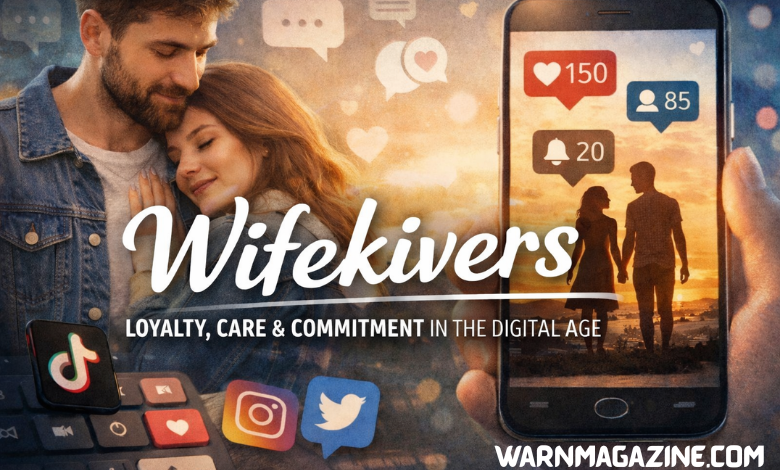
“Wifekivers” is a term that has been widely used in internet culture to describe individuals who exhibit behaviors that show unwavering loyalty, emotional support, and long-term commitment, similar to qualities associated with a “wife” in traditional relationships, but without the necessity of formal marriage. The term has been mostly discussed on social media platforms like TikTok, Instagram, and Twitter, where users use it to convey ideals about relationship dynamics, trust, and emotional intelligence.
The term itself doesn’t have a single, rigid definition. Instead, its meaning evolves with the context in which it is used. For some, it represents a serious commitment to emotional and psychological support, while for others, it’s used humorously or ironically to describe ideal behaviors in relationships. This flexibility is what makes the term so intriguing, as it allows for personalization and adaptation to different cultural and individual preferences.
The Origins of “Wifekivers”
Like many terms born from online culture, “Wifekivers” likely originated in the organic exchanges between users on various platforms. It is a hybrid of the words “wife” and “giver,” implying someone who offers care, support, and dedication without necessarily being married. The term also taps into the broader meme culture, where it is often exaggerated or used for comedic effect in memes, captions, and trending videos.
As a result, the word has gained popularity not through traditional language development but through collective user-driven creativity. It serves as a fun way to express commitment and ideal partner behaviors in an easy-to-understand and relatable manner. It’s this shared cultural understanding that has enabled “Wifekivers” to become a part of the larger online conversation surrounding modern relationships.
The Popularity of “Wifekivers” on Social Media
The concept of “Wifekivers” has flourished particularly on platforms like TikTok, Instagram, and Twitter (X). On TikTok, creators post short-form videos featuring real-life relationship moments, discussing emotional intelligence, trust, and support, often accompanied by the “Wifekivers” hashtag. Similarly, Instagram users incorporate the term into captions, using it to describe ideal behaviors or moments in relationships. Twitter has also seen its use in trending topics and memes that revolve around relationship dynamics.
One of the main drivers of this term’s popularity is the rising focus on relationship-centered content. People today are more open about their emotional needs and are eager to find language that reflects these changing attitudes. As a result, “Wifekivers” has become a way for individuals to express the depth of their emotional connections, often in humorous or exaggerated ways, which makes it an appealing concept for a wide audience.
The Changing Nature of Relationships in the Digital Age
The rise of “Wifekivers” is part of a broader cultural shift towards more emotionally conscious relationships. In the past, relationships were often framed in terms of traditional roles, such as “husband” and “wife.” However, modern relationships emphasize mutual respect, trust, emotional security, and understanding. “Wifekivers” embodies this shift, representing an idealized, deeply supportive, and loyal partner who gives emotionally, without being tied to the conventions of marriage.
This evolution in relationship values is evident in the way people describe their ideal partners. They no longer seek just a “wife” or “husband” but a person who exhibits emotional maturity, loyalty, and support. “Wifekivers” is a term that allows people to express these values in a way that resonates with the experiences of younger generations, like Millennials and Gen Z, who are redefining traditional relationship roles.
How Wifekivers is Used in Online Culture
On social media, “Wifekivers” is used in a variety of ways depending on the context. It can be used to describe a partner who shows unwavering emotional support and care, often in moments of vulnerability or stress. For example, someone might post a picture or video of their partner helping them through a difficult time and caption it with something like “This is Wifekivers energy.” In this case, it refers to the supportive and loyal nature that defines the partner’s actions.
In other cases, the term is used humorously. It is common to see memes or playful posts using “Wifekivers” to exaggerate everyday situations, such as one partner doing something particularly considerate or kind. The humorous use of the term allows for a more lighthearted interpretation of what it means to be a “wife-level” partner, adding to its viral appeal.
Additionally, content creators and influencers have embraced the term, integrating it into their discussions about relationships, emotional well-being, and even self-care. The flexibility of “Wifekivers” makes it an excellent tool for digital personalities to connect with their audiences on a deeper emotional level.
The Psychological Connection to Wifekivers
From a psychological perspective, “Wifekivers” taps into fundamental human needs for trust, emotional safety, and connection. Research in psychology consistently shows that healthy relationships are built on emotional support and consistent care. Partners who exhibit these qualities create a secure emotional environment, which leads to stronger bonding and trust.
The term “Wifekivers” aligns with these principles by describing someone who embodies these supportive qualities, whether they are a romantic partner, a friend, or a family member. It highlights emotional intelligence and empathy, which are essential for maintaining strong, healthy relationships in today’s world.
Moreover, the idea of “Wifekivers” also resonates with attachment theory, which suggests that people who experience consistent emotional care and security in their relationships are more likely to form stable, long-lasting bonds. For many, the concept of “Wifekivers” represents a desire for this kind of secure attachment in their relationships.
“Wifekivers” as an Identity and Branding Tool
Interestingly, “Wifekivers” has also extended beyond relationships into the realm of identity and branding. Some individuals use the term as part of their online persona or even incorporate it into their business or social media branding. This is partly due to the term’s uniqueness and ease of use, making it a memorable and recognizable phrase.
For example, content creators and influencers often use “Wifekivers” as part of their social media handles, blog names, or business slogans. This helps them establish a distinct identity in a crowded online space. Additionally, its association with care, loyalty, and emotional intelligence makes it appealing for businesses that focus on products or services related to relationships, wellness, and personal growth.
In the world of SEO, using a unique and underutilized term like “Wifekivers” can help increase visibility. As a less competitive keyword, it provides opportunities for ranking higher in search engine results, making it an attractive choice for digital marketers and content creators looking to attract attention to their work.
Misconceptions About Wifekivers
Despite its growing popularity, there are some misconceptions about the term “Wifekivers.” One common misunderstanding is that it is only relevant to married couples. In fact, the term applies to any relationship in which loyalty, emotional support, and commitment are present, whether the individuals are married or not. It’s also not limited to one gender, as anyone can embody “Wifekivers” qualities, regardless of their role in a relationship.
Another misconception is that “Wifekivers” refers to perfection in relationships. While the term may describe ideal behaviors, it is not about unattainable standards. Instead, it reflects the values of emotional maturity, trust, and mutual respect that can be cultivated in any healthy relationship.
The Future of Wifekivers
As internet culture continues to evolve, the term “Wifekivers” has the potential to endure. Its flexibility and adaptability make it a useful term for expressing relationship values in a variety of contexts. Whether used seriously or humorously, it provides a way for individuals to express their emotional needs and desires in relationships.
The future of “Wifekivers” may see it become even more ingrained in digital culture, potentially transforming into a broader concept that extends beyond relationships and into areas like personal branding, emotional intelligence, and self-awareness. As more people embrace the term, its meaning may solidify further, or it may continue to evolve as a reflection of changing cultural attitudes toward loyalty, commitment, and care.
The Role of Wifekivers in the Digital Era
The digital age has brought about significant changes in how we communicate, form relationships, and express our identities. Social media platforms like TikTok, Instagram, and Twitter have become integral spaces where individuals share their experiences, emotions, and personal lives. Within this vast sea of digital interaction, the term “Wifekivers” stands out as a unique way to describe relationships that prioritize emotional connection, loyalty, and commitment. This section will explore how Wifekivers fits into the broader trends of relationship-focused content, and how it plays a role in shaping the way people connect online.
In an era where relationships are increasingly shaped by online interactions, terms like Wifekivers allow people to articulate their emotional needs and the qualities they seek in a partner. The term’s growth on platforms like TikTok is a prime example of how digital culture can drive the adoption of new relationship concepts. TikTok creators, in particular, have embraced “Wifekivers” to illustrate moments of emotional vulnerability, acts of loyalty, and the qualities that define a supportive partner. Through relatable content, users have helped the term find a broader audience, contributing to its viral status.
Platforms like Instagram have seen an influx of relationship-related hashtags, with “Wifekivers” being prominently featured in captions and comments. For many users, this trend is part of a larger shift towards valuing deep emotional connections rather than superficial interactions. Instagram’s visually-driven nature allows users to pair their relationship-focused messages with images or videos that reflect the emotional commitment that “Wifekivers” embodies. Whether it’s a simple caption or a detailed story, the term provides a quick, relatable way to express loyalty and care in relationships.
Wifekivers in the Context of Modern Dating Culture
Modern dating culture is very different from what it once was. While traditional dating relied heavily on clear roles and expectations, today’s approach focuses more on mutual respect, trust, and emotional depth. This shift has been driven by a variety of factors, including increased awareness of mental health, greater emphasis on emotional intelligence, and the rise of dating apps that allow individuals to find partners who align with their values and needs.
“Wifekivers” is a direct response to this cultural shift. It highlights the fact that people today are looking for more than just surface-level connections. In modern dating, qualities like emotional availability, communication, and reliability are often viewed as more important than traditional markers of commitment, such as marriage. “Wifekivers” reflects the idea that a fulfilling relationship is built on a foundation of trust, care, and mutual support—qualities that transcend labels like “wife” or “husband.”
While many terms in modern dating culture may emphasize temporary connections or casual interactions, “Wifekivers” stands out as a term that encourages long-term commitment and emotional growth. It suggests that the ideal partner isn’t defined by marital status but by their actions, care, and unwavering loyalty. This approach aligns well with the values that modern daters seek, offering a refreshing perspective on what a truly meaningful relationship looks like.
The Intersection of Wifekivers and Memes
As we mentioned earlier, one of the reasons “Wifekivers” has taken off is due to the way it intersects with meme culture. Memes have become an essential part of online communication, and they allow users to express complex ideas in humorous and exaggerated ways. “Wifekivers” has become a perfect candidate for this kind of treatment, as it is frequently used in memes that highlight idealized partner behaviors or humorous situations in relationships.
Memes involving “Wifekivers” are often exaggerated portrayals of what it means to be a loyal and caring partner. For example, a meme might feature someone doing an overly dramatic or exaggerated act of kindness—such as cooking an elaborate meal or providing emotional support during a difficult moment—and the caption will reference “Wifekivers energy.” These memes have the dual effect of entertaining viewers while also reinforcing the deeper meanings associated with the term. They serve as a playful way to highlight the importance of loyalty, trust, and support in relationships.
The rise of meme culture has contributed to the spread of “Wifekivers” across a wide audience. Memes are highly shareable, and the simplicity of the term makes it easy to incorporate into various contexts. Whether used for humor or to emphasize the qualities of a great partner, “Wifekivers” has found a place in the digital world of memes, further cementing its position as a key concept in modern relationship discussions.
Wifekivers as a Concept of Emotional Intelligence
At its core, “Wifekivers” is a reflection of emotional intelligence and maturity. In a world where many people are navigating complex relationships, the term highlights the importance of being in tune with one’s own emotions and the emotions of others. Emotional intelligence—the ability to understand, manage, and express emotions—plays a crucial role in forming lasting, healthy relationships. “Wifekivers” embodies this concept by showcasing the behaviors of a person who is emotionally present, supportive, and attentive to the needs of their partner.
In a relationship context, emotional intelligence helps individuals navigate conflicts, communicate effectively, and provide comfort and reassurance when needed. A person who exhibits “Wifekivers” traits is not just physically present in a relationship; they are emotionally engaged and committed to fostering a healthy, supportive connection. This is a key reason why the term resonates so deeply with many people, as it reflects the emotional maturity that modern relationships demand.
Conclusion
“Wifekivers” is a term that encapsulates important values in modern relationships—emotional loyalty, trust, and commitment. It has risen to prominence in the digital age, where social media platforms have enabled it to spread quickly and become part of online conversations. While its meaning is flexible and can be interpreted in different ways, the core idea behind “Wifekivers” reflects the desire for meaningful, emotionally aware connections. As relationships continue to evolve, terms like “Wifekivers” offer a unique and relatable way to express these shifting dynamics. Whether used seriously or humorously, the term is likely to remain a part of the internet lexicon, shaping the way we talk about relationships in the future.