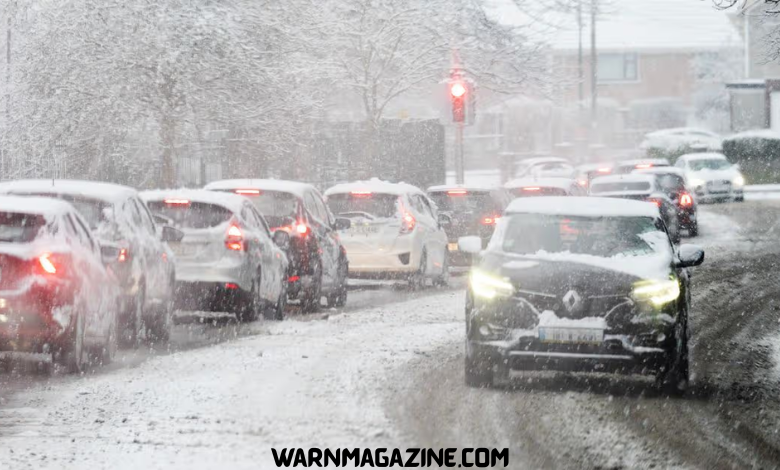
Moderate Snow Ice Warning: Meaning, Risks, and Practical Safety Guidance
A moderate snow ice warning is a weather alert issued when a combination of snowfall and freezing conditions is expected to create disruptions and safety risks, but not at a severe or emergency level. It is designed to inform the public that conditions may become hazardous, particularly for travel and outdoor activities, and that precautions should be taken.
This type of warning sits between minor advisories and severe weather alerts. It indicates that while the situation is manageable, it still requires attention. Snow and ice together can significantly affect mobility, visibility, and surface safety, even if the overall intensity of the weather system is not extreme.
What a Moderate Snow Ice Warning Means
A moderate snow ice warning signals that weather conditions are likely to cause noticeable disruption. It does not imply a crisis, but it does suggest that normal routines may be affected.
Typically, such a warning includes:
- Light to moderate snowfall
- Temperatures at or below freezing
- Formation of ice on roads and pavements
- Increased risk of accidents and delays
The key message is caution. People are expected to adjust their plans, especially when traveling or working outdoors.
How Snow and Ice Develop Together
Snow and ice often occur during the same weather event because of temperature variations in the atmosphere and at ground level.
Snow forms when moisture in the air freezes into ice crystals and falls as snowflakes. Ice, on the other hand, forms when liquid water freezes on surfaces.
Common situations include:
- Snowfall followed by freezing temperatures
Snow partially melts during the day and refreezes at night, creating icy layers. - Freezing rain
Rain falls as liquid but freezes instantly when it touches cold surfaces, forming a thin ice coating. - Compacted snow turning into ice
Vehicles and foot traffic compress snow, which then hardens into ice.
This combination makes surfaces more dangerous than snow alone.
Typical Weather Conditions
During a moderate snow ice warning, conditions usually include:
- Snow accumulation that covers roads and pathways
- Intermittent precipitation such as sleet or freezing rain
- Cold temperatures that prevent melting
- Cloud cover reducing visibility
The duration may range from a few hours to a full day, depending on the weather system.
Impact on Transportation
Transportation is one of the most affected areas during snow and ice conditions.
Road Travel
- Roads become slippery, reducing tire grip
- Braking distances increase
- Sudden movements can cause skidding
- Traffic flow slows down
Public Transport
- Buses may run late or be rerouted
- Train services may experience delays
- Increased pressure on transport systems
Air Travel
- Runway conditions may require treatment
- Flights can be delayed due to de-icing procedures
- Visibility issues can affect schedules
Even moderate conditions can lead to widespread delays.
Risks to Pedestrians
Pedestrians face significant risks during snow ice conditions, especially in areas where walkways are untreated.
Common risks include:
- Slipping on icy surfaces
- Falling due to uneven or hidden ice patches
- Difficulty maintaining balance
- Reduced visibility in snowy conditions
Injuries from slips and falls are common during such events.
Effects on Infrastructure
Snow and ice can affect infrastructure in several ways, even when conditions are moderate.
Roads and Bridges
Ice forms more quickly on bridges due to exposure, making them particularly dangerous.
Power Systems
Ice accumulation can add weight to power lines, increasing the chance of damage or outages.
Trees
Branches may break under the weight of snow and ice, potentially blocking roads or damaging property.
Buildings
Snow buildup on rooftops can create stress if not cleared, especially over time.
Impact on Daily Life
A moderate snow ice warning can disrupt normal routines.
Work and Business
- Employees may arrive late or work remotely
- Deliveries may be delayed
- Reduced customer activity
Schools and Education
- School delays or closures
- Transportation challenges for students
Healthcare
- Delayed non-urgent appointments
- Increased emergency visits due to injuries
Even without severe weather, these disruptions can affect productivity.
Safety Measures for Individuals
Preparation and awareness are essential during a moderate snow ice warning.
Before the Event
- Monitor weather forecasts
- Prepare basic supplies such as food, water, and batteries
- Check heating systems
During the Event
- Avoid unnecessary travel
- Drive slowly and carefully
- Wear appropriate footwear with good grip
- Stay indoors if conditions worsen
After the Event
- Clear snow and ice from entrances and walkways
- Watch for refreezing conditions
- Check for any damage
Driving Guidelines
Driving in snow and ice requires careful handling.
- Reduce speed significantly
- Maintain a safe distance from other vehicles
- Avoid sudden braking or acceleration
- Use low gears when necessary
- Keep headlights on for visibility
Drivers should also carry emergency items such as blankets, water, and a flashlight.
Importance of Early Warnings
Weather warnings are issued in advance to allow time for preparation. A moderate snow ice warning helps:
- Reduce accident rates
- Improve travel planning
- Enable authorities to prepare resources
- Increase public awareness
Ignoring such warnings can lead to avoidable risks.
Role of Authorities
Local authorities play a key role in managing snow and ice conditions.
Their responsibilities include:
- Treating roads with salt or grit
- Clearing snow from major routes
- Issuing public safety messages
- Responding to emergencies
Effective coordination helps minimize disruption.
Economic Effects
Moderate snow ice conditions can have short-term economic impacts.
- Reduced retail activity
- Increased maintenance and operational costs
- Delays in logistics and supply chains
- Temporary closures of businesses
While not severe, repeated events can affect overall efficiency.
Environmental Considerations
Snow and ice events also have environmental effects.
- Road salt can impact soil and water systems
- Snow cover can protect vegetation from extreme cold
- Melting snow contributes to water flow in ecosystems
Balancing safety and environmental protection is important.
Technology and Forecasting
Modern forecasting systems improve the accuracy of snow ice warnings.
These include:
- Satellite monitoring
- Radar tracking
- Weather models predicting temperature and precipitation
Accurate forecasts help people and authorities respond effectively.
Community Involvement
Communities often contribute to managing snow ice conditions.
- Neighbors clearing snow together
- Sharing updates and warnings
- Assisting elderly or vulnerable individuals
Community support reduces the overall impact.
Long-Term Preparedness
Regions that frequently experience winter conditions invest in preparation.
This includes:
- Snow removal equipment
- Infrastructure designed for cold weather
- Public awareness programs
Prepared areas handle moderate warnings more efficiently.
Conclusion
A moderate snow ice warning indicates conditions that require caution but not alarm. It highlights the potential for disruption and safety risks, particularly in transportation and outdoor movement.
Understanding the meaning of the warning allows individuals to prepare and respond appropriately. Snow and ice, even at moderate levels, can create hazardous conditions if ignored. With proper awareness, preparation, and responsible behavior, the risks can be reduced, and daily life can continue with minimal disruption.